
How Much Does Remote I-9 Verification Cost? 2026 Prices Compared
Read the article

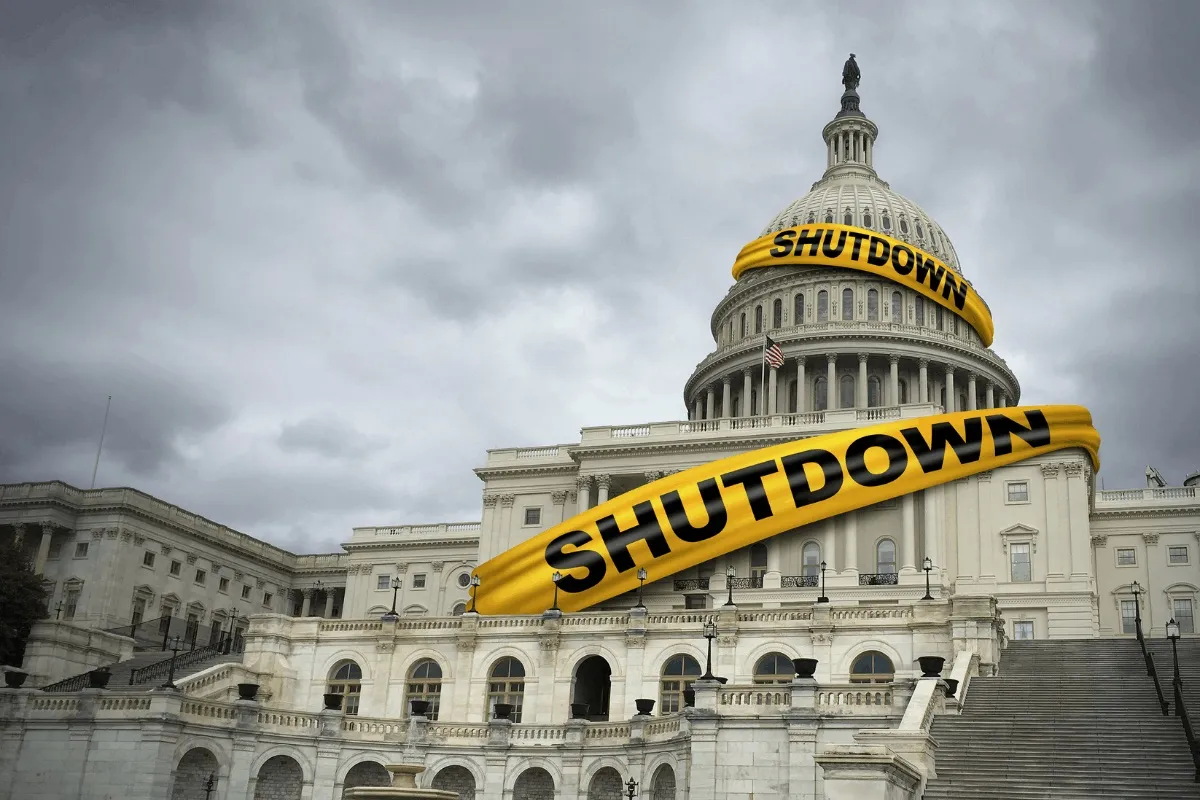
Government shutdown I-9 compliance needs immediate attention as federal funding for most agencies expires on January 30, 2026. If Congress does not reach an agreement, employers should be ready for the possibility that E-Verify access will be temporarily unavailable while all Form I-9 deadlines and enforcement continue as normal. Businesses will need clear procedures for completing I-9s on time, handling hires made during an outage, managing TNC delays, and documenting compliance until E-Verify resumes. Preparing these steps now reduces operational disruption and prevents avoidable compliance gaps.
The continuing resolution that reopened the government in late 2025 only funds key agencies— including the Department of Homeland Security—through January 30, 2026. If Congress fails to pass a longer-term agreement, many federal operations will enter a shutdown cycle similar to the October 2025 government shutdown.
During the 2025 shutdown:
This pattern is likely to repeat. Employers should prepare for interrupted E-Verify availability and, at the same time, assume that I-9 requirements will remain unchanged.
While government operations vary from shutdown to shutdown, several patterns are consistent.
Historically, when DHS appropriations lapse, E-Verify suspends:
During the outage, employers cannot move forward with E-Verify case creation or address TNCs.
Related: How Does E-Verify Work?
Employers must continue to:
In 2025, USCIS restored E-Verify while the shutdown was still underway. That unexpected move forced employers into a condensed catch-up period.
January could follow a similar pattern—meaning employers should prepare for rolling availability, not a predictable timeline.
When E-Verify resumes, DHS typically requires:
A federal shutdown does not change the underlying requirements of Form I-9.
Employers cannot delay I-9 completion because E-Verify is down. Failure to complete timely I-9s is a violation, regardless of the shutdown.
Related: Common I-9 Mistakes HR Leaders Make
If an employee’s work authorization expires in this period, employers must reverify as usual—applying any DHS automatic extensions consistently.
Related: Reverification Guidance for I-9 Compliance
ICE audits focus heavily on:
The two-week window before January 30 is the most important planning period.
1) Identify all upcoming start dates
Flag hires starting between January 23 – February 13. These employees are most likely to fall within an E-Verify outage window.
2) Confirm E-Verify user access
Ensure every team member responsible for case creation has valid credentials.
3) Set up a “shutdown hire” tracking process
Digital tagging is preferable to spreadsheets, especially for multistate employers.
4) Update your onboarding and compliance procedures
Add a clause explaining how your organization handles E-Verify outages.
5) Prepare TNC communications in advance
Employees should know what a delay means and what happens next.
6) Perform a quick internal training refresh
Reinforce that:
1) Resolve open E-Verify cases where possible
Clear any pending TNCs or unresolved cases before the potential outage.
2) Avoid workflow changes
Do not modify onboarding procedures or introduce new tools in the final week leading up to a potential shutdown.
3) Generate baseline compliance reports
Capture:
If the shutdown occurs and E-Verify posts an outage notice, follow these steps:
1. Save DHS/E-Verify outage announcements
Audit teams often request verification of system unavailability.
2. Continue completing I-9s on time
Do not adjust Section 1 or Section 2 timing.
Related: List of Acceptable Documents for I-9 Review
3. Tag all hires made during the outage
Use a consistent tracking method across all locations.
4. Queue pending E-Verify cases
If your software supports queued submissions (like the i9 Intelligence platform does), case creation can resume immediately once E-Verify is restored.
5. Pause TNC follow-up timelines
Employees must not be penalized for delays caused by the outage.
6. Communicate consistently with managers and HR
Hiring and onboarding should continue uninterrupted.
Once DHS announces E-Verify is back online, employers must act quickly.
1. Run your “shutdown hires” report
Identify every employee hired during the outage window.
2. Create E-Verify cases promptly
Use DHS’s recommended notation (e.g., “E-Verify unavailable due to government shutdown”).
3. Resume TNC processes
Notify impacted employees and follow updated timeframes.
4. Document your remediation steps
Create an internal memo summarizing:
5. Retain all evidence of system unavailability
This includes:
Federal contractors and employers in states with E-Verify mandates (e.g., Florida, South Carolina, Alabama) face higher exposure because:
Related: List of States That Require E-Verify
For HR & Recruiters
For Hiring Managers
For Employees
A shutdown puts stress on manual workflows. A digital compliance platform, such as i9 Intelligence, reduces disruption by:
1. Automating shutdown-hire tagging
Immediately categorize impacted hires across all worksites.
2. Queueing E-Verify submissions
Cases created during the outage automatically submit once E-Verify resumes.
3. Storing standardized delay notes
DHS-compliant case annotations are pre-configured.
4. Centralized dashboards & reporting
Generate reports by date range, location, status, or employee group.
5. Streamlined TNC handling
Pause/resume functionality ensures no deadlines or notifications are missed.
6. Full audit trail
Every action taken during the outage is logged and exportable.
Preparing for a potential January 2026 shutdown requires clear processes, consistent documentation, and tools that won’t break when federal systems go offline. Manual spreadsheets and ad-hoc tracking create risk during even normal hiring cycles—during a shutdown, they create preventable violations. With automated tagging, queued case creation, built-in DHS delay notes, and audit-ready reporting, i9 Intelligence gives employers the stability and accuracy that shutdown volatility demands. If your team wants to enter late January with a defined plan and the right safeguards in place, now is the time to tighten your workflow.
To review your current process and build a shutdown-ready compliance strategy, schedule a free consultation with our I-9 compliance specialists.
Our team of I-9 and E-Verify experts is here to help: